
RETON Ring Mesh Co., Ltd.A Professional, Reliable And Experienced Metal Products Manufacturer
+86-18632192156 sales@rt-ringmesh.com

A chainmail oyster glove is a critical safety tool for oyster shucking, seafood processing, and kitchen cutting tasks. It is designed to protect the hand from punctures and cuts caused by oyster knives and sharp shells while maintaining flexibility and hygiene.
For buyers searching for the best chainmail oyster glove, the key factors include material quality, cut resistance level, corrosion resistance, and comfort—especially in wet and salty environments.
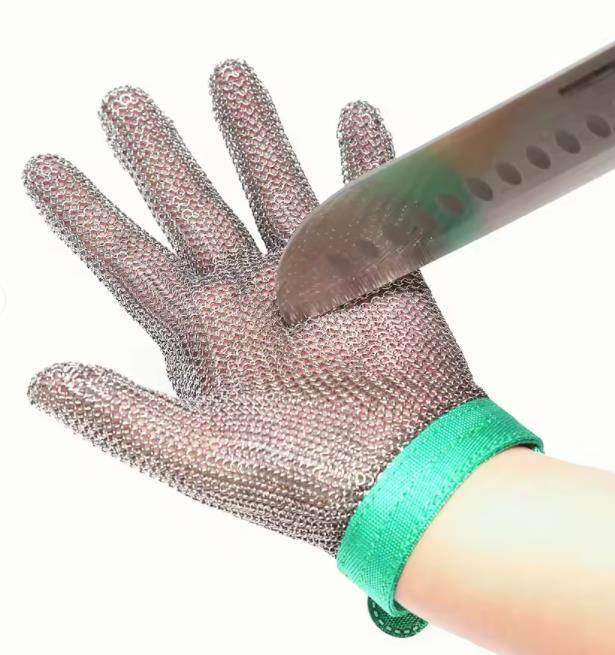
Chainmail Oyster Glove
Most high-quality oyster gloves are made from:
304 stainless steel → cost-effective, suitable for general use
316 / 316L stainless steel → better corrosion resistance, ideal for seafood environments
316 stainless steel is preferred for oyster shucking due to constant exposure to saltwater.
A good oyster glove should provide:
High cut resistance against knives and shells
Protection against punctures during shucking
Professional-grade gloves often reach high cut-resistance standards, making them suitable for commercial use.
Individually welded rings improve durability
Dense mesh provides better protection
Flexible structure ensures hand movement
Adjustable wrist strap for secure fit
Ergonomic design to reduce fatigue
Optional inner liner for comfort
| Feature | 304 Stainless Steel | 316 Stainless Steel |
|---|---|---|
| Corrosion Resistance | Good | Excellent |
| Saltwater Resistance | Moderate | Strong |
| Durability | High | Very High |
| Cost | Lower | Higher |
| Best Use | Home kitchen | Oyster & seafood processing |
Compared to fabric or cut-resistant fiber gloves:
Provide higher puncture resistance
Do not absorb moisture or bacteria
Easy to clean and sanitize
Maintain performance in humid and hot environments
These features make them widely used in:
Oyster shucking
Fish filleting
Meat processing
Commercial kitchens
Protects the non-knife hand from slips and shell punctures.
Suitable for fish, crab, and shellfish handling in wet environments.
Used in butcher shops for trimming and deboning.
Ensures safety and hygiene compliance in factories.
Better resistance to corrosion and longer service life.
A well-fitted glove improves safety and comfort.
Welded rings are more durable than non-welded designs.
Occasional use → 304 stainless steel
Frequent/professional use → 316 stainless steel
Poor materials may:
Rust quickly
Break under pressure
Loose gloves can:
Reduce control
Increase injury risk
Even stainless steel requires:
Cleaning
Drying after use
Wash with warm water and mild detergent
Sanitize regularly in food environments
Dry completely after cleaning
Inspect for damaged rings
Proper care helps extend service life and maintain safety.
RETON Ring Mesh Co., Ltd. specializes in stainless steel chainmail oyster gloves and protective mesh products for food processing industries.
304 and 316 stainless steel options
Multiple sizes and adjustable designs
Suitable for oyster, meat, and fish processing
Custom manufacturing available
E-Mail: sales@rt-ringmesh.com
WhatsApp: +86 18632192156
316 stainless steel is the best choice due to its superior corrosion resistance in saltwater environments.
Yes, stainless steel chainmail gloves are widely used in food-grade environments.
With proper care, it can last several years depending on usage.
Yes, but proper cleaning and sanitation are required between uses.
Yes, most manufacturers offer multiple sizes and adjustable designs.
The best chainmail oyster glove combines high-quality stainless steel (preferably 316), strong ring mesh construction, and proper fit. For seafood applications, corrosion resistance and durability are especially important.
Working with a professional manufacturer like RETON Ring Mesh Co., Ltd. ensures consistent quality and reliable supply for both commercial and industrial use.
Processing Demand Survey