
RETON Ring Mesh Co., Ltd.A Professional, Reliable And Experienced Metal Products Manufacturer
+86-18632192156 sales@rt-ringmesh.com

Oyster shucking is a specialized task that requires force, control, and precision. Unlike general meat cutting, it involves prying open hard shells with sharp knives—often in wet and slippery conditions. This makes stainless steel oyster shucking gloves an important protective tool for both professionals and seafood enthusiasts.
This guide focuses specifically on oyster shucking applications, highlighting key features, selection tips, and performance factors—distinct from general butcher glove discussions.
Shucking oysters presents unique risks:
Sharp shell edges can easily cut hands
Slippery surfaces increase accident risk
High pressure is needed to open shells
Repetitive motion can lead to fatigue
Standard cut-resistant gloves may not provide enough protection in these conditions. Stainless steel mesh gloves offer a more suitable solution.
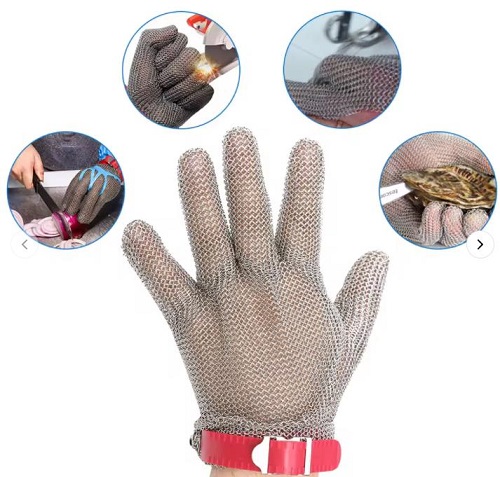
The interlinked steel ring structure helps protect against:
Knife slips
Shell edge cuts
Puncture injuries
When opening oysters, force is applied directly through the hand.
Stainless steel gloves:
Distribute pressure more evenly
Reduce direct impact on the skin
Improve confidence during shucking
Oyster handling is always wet.
Key advantages:
Non-absorbent material
Resistant to saltwater corrosion
Maintains performance when wet
For oyster work, tighter mesh is preferred:
Smaller ring diameter
Higher protection against sharp shell edges
A stable fit is critical during forceful movements.
Look for:
Adjustable metal buckle
Strong strap system
Snug wrist fit
Since shucking requires repeated motion:
Gloves should allow natural finger movement
Proper sizing reduces fatigue
Good gloves should:
Not interfere with knife handling
Allow controlled pressure application
| Type | Features | Best For |
|---|---|---|
| Full Mesh Glove | Complete hand protection | Professional shuckers |
| Single-Hand Glove | One hand protected, one free | Standard oyster opening |
| Long Cuff Glove | Extended wrist protection | High-volume operations |
| Hybrid (Mesh + Fabric) | Added comfort | Home or light use |
| Feature | Stainless Steel Gloves | Rubber/Fabric Gloves |
|---|---|---|
| Cut Resistance | High | Moderate |
| Puncture Resistance | Strong | Limited |
| Grip in Wet Conditions | Moderate (can pair with liner) | Good |
| Durability | Long-lasting | Shorter lifespan |
| Hygiene | Easy to sanitize | May retain moisture |
Wear the glove on the hand holding the oyster
Use a proper oyster knife with guard
Position the oyster securely before applying force
Apply steady pressure—avoid sudden movements
Oyster environments involve saltwater and organic residue.
Rinse immediately after use
Wash with mild detergent
Sanitize with food-safe solution
Dry thoroughly to prevent residue buildup
Inspect for broken rings
Avoid storing while wet
Replace if structural damage is found
General kitchen gloves may not provide enough protection for oyster shells.
Loose gloves reduce control and increase risk.
Some users benefit from wearing a thin liner glove underneath for better grip.
Salt and debris can affect long-term durability if not cleaned properly.
These gloves are suitable for:
Professional seafood processors
Restaurant kitchen staff
Fish market workers
Home users handling oysters regularly
They are highly recommended for safety, especially for frequent or professional use.
Usually the hand holding the oyster, while the other hand operates the knife.
They can be used, but gloves with tighter mesh are more suitable for shell protection.
They may feel slightly different, but proper fit and optional liners improve control.
Yes, stainless steel gloves are designed to resist corrosion in marine environments.
The best stainless steel oyster shucking gloves are designed specifically for the demands of seafood handling—offering strong protection against sharp shells, durability in wet environments, and reliable performance during repetitive tasks.
By choosing the right glove type, ensuring proper fit, and maintaining it correctly, users can improve both safety and efficiency when shucking oysters.
Processing Demand Survey