
RETON Ring Mesh Co., Ltd.A Professional, Reliable And Experienced Metal Products Manufacturer
+86-18632192156 sales@rt-ringmesh.com

In meat processing, slaughterhouses, commercial kitchens, and food preparation facilities, hand injuries caused by knives and cutting tools remain a serious workplace safety concern. Choosing reliable butcher safety gloves helps reduce cutting risks while improving worker confidence and operational efficiency.
Modern butcher gloves are widely used in industries where workers regularly handle sharp blades, meat cutting equipment, and trimming tools. The right gloves provide protection while maintaining flexibility and comfort for long working hours.
RETON Ring Mesh Co., Ltd. manufactures stainless steel butcher safety gloves designed for food processing, industrial cutting, and workplace hand protection applications.
Butcher safety gloves are protective gloves designed to help reduce the risk of cuts and punctures when handling sharp tools.
They are commonly made from:
Stainless steel ring mesh
Cut-resistant fibers
Composite safety materials
Among these materials, stainless steel ring mesh gloves are widely used in professional meat processing because of their durability and resistance to blade penetration.
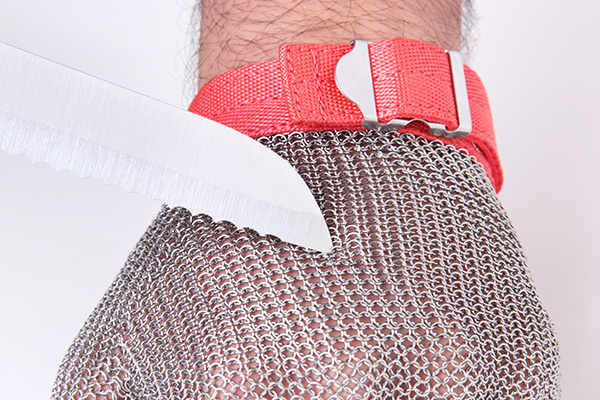
Butcher Safety Gloves
Workers in meat processing environments often use:
Boning knives
Cleavers
Trimming blades
Meat slicers
Without proper hand protection, accidental cuts can lead to:
Workplace injuries
Production interruptions
Medical costs
Reduced operational safety
Using proper butcher gloves helps create a safer working environment.
Stainless steel ring mesh gloves are commonly used in slaughterhouses and meat processing plants.
Cut-resistant structure
Flexible movement
Reusable design
Suitable for direct food-contact environments
These gloves are often worn on the non-knife hand for protection during cutting operations.
Made from high-strength fibers such as:
HPPE
Kevlar blends
Composite yarns
Lightweight
Comfortable for long use
Suitable for light-duty cutting work
Some applications combine:
Stainless steel mesh outer layers
Textile comfort liners
This improves comfort while maintaining cut resistance.
The glove should provide appropriate protection based on the cutting tools used.
Higher-risk environments may require:
Stainless steel mesh protection
Reinforced wrist protection
Workers often wear gloves for long periods, so flexibility is important for:
Knife control
Hand movement
Reduced fatigue
Gloves used in food processing should support hygienic operation and easy cleaning.
Stainless steel mesh gloves are commonly used because they can be sanitized repeatedly.
A proper fit improves:
Worker comfort
Operational precision
Safety performance
Industrial food processing environments require gloves that can withstand:
Frequent washing
Moisture exposure
Repeated use
Used for:
Meat trimming
Deboning
Portion cutting
Protect workers during:
Animal processing
Carcass cutting
Knife handling
Useful for:
Fish filleting
Shellfish processing
Industrial seafood preparation
Chefs and food preparation workers use cut-resistant gloves during slicing and chopping tasks.
Beyond food processing, butcher safety gloves are also used in:
Textile cutting
Leather processing
Plastic trimming
| Feature | Stainless Steel Mesh Gloves | Fiber Cut-Resistant Gloves |
|---|---|---|
| Cut Resistance | High | Medium to high |
| Durability | Long-term reusable | Depends on material |
| Flexibility | Good | Very flexible |
| Food Industry Use | Common | Common |
| Cleaning | Easy to sanitize | Varies by material |
Different working environments require different glove types.
Recommended:
Stainless steel ring mesh gloves
Recommended:
Fiber cut-resistant gloves
Higher blade exposure requires stronger protective structures.
Some workplaces require:
Extended cuffs
Adjustable wrist straps
for additional safety coverage.
Food industry gloves should support:
Regular sanitization
Corrosion resistance
Hygienic operation
Lower-cost gloves may wear out faster or provide insufficient protection.
Loose gloves may reduce knife control and affect safety.
Worn or broken gloves should be replaced promptly.
Different tasks require different glove materials and protection levels.
To extend service life:
Wash gloves after use
Store in dry conditions
Inspect regularly for damage
Replace broken mesh rings immediately
Proper maintenance helps maintain safety performance and hygiene standards.
RETON Ring Mesh Co., Ltd. manufactures stainless steel safety gloves for food processing and industrial protection applications.
Stainless steel ring mesh construction
Flexible and reusable design
Suitable for food industry environments
Multiple size options available
Adjustable fit configurations
OEM and customization support
They help reduce hand injuries during meat cutting and food processing work.
Yes, stainless steel mesh gloves are commonly used in food processing environments.
Yes, stainless steel mesh gloves support repeated cleaning and sanitization.
No glove is completely cut-proof, but they significantly reduce cutting risks.
Yes, different sizes and wrist designs are available depending on application needs.
Choosing the right butcher safety gloves is important for workplace safety, operational efficiency, and food processing hygiene.
When selecting gloves, businesses should consider:
Protection level
Comfort
Durability
Hygiene requirements
Working environment
RETON Ring Mesh Co., Ltd. provides stainless steel safety glove solutions for meat processing, food production, and industrial cutting applications.
RETON Ring Mesh Co., Ltd.
Website: https://www.rt-ringmesh.com/
Tel: +86-18632192156
Email: sales@rt-ringmesh.com
butcher safety gloves, stainless steel butcher gloves, cut resistant meat processing gloves, butcher mesh gloves, food processing safety gloves, stainless steel ring mesh gloves, industrial cut resistant gloves, RETON Ring Mesh Co., Ltd.
Processing Demand Survey