
RETON Ring Mesh Co., Ltd.A Professional, Reliable And Experienced Metal Products Manufacturer
+86-18632192156 sales@rt-ringmesh.com

Chainmail mesh gloves are an essential piece of personal protective equipment (PPE) that provide superior protection for your hands and forearms. These gloves are designed to guard against sharp objects, cuts, and abrasions in industries like food processing, metalworking, butchery, welding, and even historical reenactments. In this article, we will dive into the benefits, uses, and how to choose the best chainmail mesh gloves for your needs.
Chainmail mesh gloves are protective gloves made of interlocking metal rings, typically stainless steel or galvanized steel, that form a mesh pattern. This mesh structure is similar to ancient chainmail armor, providing a flexible yet highly durable form of protection for the hands and wrists.
The gloves are designed to protect workers from cuts and punctures that might occur when handling sharp tools, knives, blades, or rough materials. The mesh is flexible, allowing for ease of movement while still providing maximum safety.
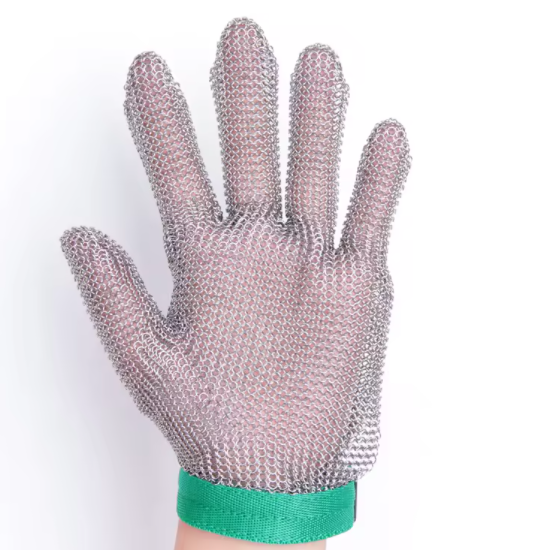
Chainmail mesh gloves are extremely resistant to cuts and abrasions. The interlocking rings create a strong, barrier-like surface that can withstand sharp edges, such as those found on knives, blades, or metal parts. This makes them particularly beneficial in environments where workers are exposed to these risks.
Example: In the food industry, workers use chainmail gloves while processing meat or fish to prevent cuts from sharp knives and tools.
Unlike leather or fabric gloves that degrade over time, chainmail mesh gloves are made from metal rings, which are rust-resistant and can withstand continuous use in harsh conditions. The steel rings are often coated in stainless steel to prevent corrosion, extending the life of the gloves.
Although chainmail might sound rigid, these gloves are quite flexible and allow for a high degree of dexterity. The rings are designed to move with the hand, ensuring the gloves are comfortable and easy to wear for extended periods. Unlike traditional leather gloves, which can feel stiff and restrict movement, chainmail mesh gloves maintain a lightweight feel and flexibility.
Example: In metalworking, workers need gloves that allow them to move freely while still providing robust protection, which is where chainmail gloves excel.
Chainmail gloves allow air to flow through the mesh, helping to keep your hands cool and dry during use. This is especially important in warm environments or for workers who need to wear gloves for extended hours.
One of the most common industries where chainmail mesh gloves are used is in food processing, particularly in butchery. Workers in these fields often deal with sharp knives, slicers, and other cutting tools that pose a significant risk of injury.
Why it works: The gloves protect the hands from accidental cuts while handling and slicing meat, fish, and poultry.
Key benefits: Gloves provide protection against cuts and help workers handle knives safely, improving efficiency and reducing injury risks.
Metalworking and welding also present hazards where chainmail gloves provide protection. When working with metals, sharp edges and hot surfaces are common. The gloves help shield the hands and wrists from these potential dangers.
Why it works: The gloves' flexible mesh provides protection against sharp edges of metal parts, reducing the risk of cuts, scrapes, and punctures.
Key benefits: They also protect the hands when working with tools like grinders or welders, ensuring comfort and safety while handling heated materials.
Professional chefs and workers in the cutlery industry often use chainmail gloves to ensure that their hands remain safe when handling sharp knives or cutting instruments. These gloves can be worn when slicing food, filleting fish, or preparing meat, especially when cutting with high-precision knives.
Why it works: The glove protects against accidental cuts and improves safety in busy kitchen environments.
Key benefits: The mesh gloves offer comfort and allow workers to work with high precision while still being fully protected.
Workers in industrial environments such as recycling plants, where sharp objects like scrap metal and glass are common, also use chainmail mesh gloves for protection. These gloves prevent cuts while handling hazardous materials.
Why it works: The gloves offer reliable protection against sharp objects and provide enhanced dexterity to handle tough materials.
Key benefits: They offer long-lasting protection even in high-risk environments, reducing the chance of injury during repetitive tasks.
When selecting chainmail mesh gloves, it's important to consider the following features:
Stainless Steel: Stainless steel is the most common material used for chainmail gloves due to its resistance to rust and corrosion. It’s ideal for use in environments where gloves are exposed to moisture or wet conditions.
Galvanized Steel: Galvanized steel is often used as a more cost-effective option, but it may not last as long as stainless steel in harsh environments.
Chainmail gloves should fit snugly without being too tight. Look for gloves with adjustable cuffs to secure them properly around the wrist. A good fit ensures comfort and prevents the gloves from slipping off during use.
Liner: Many chainmail gloves come with a soft fabric liner inside to increase comfort and prevent chafing from the metal rings.
Chainmail mesh gloves come in various thicknesses and ring patterns. For higher levels of protection, look for gloves with a higher ring density or those made with 6-in-1 Japanese or 8-in-1 patterns. These provide better protection against punctures.
Gloves come in different sizes, so it's important to choose the right size for a secure fit. Some gloves offer full hand and forearm protection, while others cover just the hands or fingers. Consider the level of protection needed for your specific task.
Check for gloves with reinforced stitching or secure ring closures to ensure long-lasting performance. The gloves should be easy to clean, either by hand washing or machine washing, and should resist damage from abrasive surfaces.
Chainmail mesh gloves are relatively easy to maintain. Here are some tips for keeping them in good condition:
Regular Inspection: Check the gloves periodically for any loose or damaged rings. Replace any broken rings immediately to maintain their effectiveness.
Washing: Most chainmail gloves can be hand-washed or machine-washed, but make sure to follow the manufacturer’s care instructions to prevent rusting.
Drying: After washing, ensure that the gloves are thoroughly dried to prevent rust. Air-drying is recommended.
Storage: Store your gloves in a dry place to avoid moisture buildup, which could lead to corrosion over time.
Chainmail mesh gloves are an essential protective gear for anyone working with sharp tools, knives, or hazardous materials. Whether you're in food processing, metalworking, or welding, these gloves offer reliable, long-lasting protection against cuts, abrasions, and other injuries. Their flexibility, durability, and comfort make them ideal for use in high-risk environments.
When choosing chainmail gloves, make sure to consider factors like material, fit, coverage, and level of protection to ensure you’re getting the best pair for your specific needs.
If you're looking for high-quality chainmail mesh gloves, consider contacting RETON Ring Mesh Co., Ltd. for a range of reliable products tailored to meet your protection needs.
For more information or to inquire about bulk orders, reach us at:
Email: sales@rt-ringmesh.com
WhatsApp: +8618632192156
Stay safe and protected with chainmail mesh gloves!
Processing Demand Survey