
RETON Ring Mesh Co., Ltd.A Professional, Reliable And Experienced Metal Products Manufacturer
+86-18632192156 sales@rt-ringmesh.com

In meat processing, seafood preparation, and food manufacturing environments, choosing the right protective apron is important for worker safety, hygiene management, and daily operation efficiency.
When buyers search for protective solutions, two common options are the Stainless Steel Chainmail Apron and Cut Resistant Apron. Although both are designed to reduce cut risks, their materials, protection principles, durability, and application scenarios are different.
A Stainless Steel Chainmail Apron uses interconnected stainless steel rings to create a protective mesh structure, while a Cut Resistant Apron usually uses advanced textile materials such as HPPE, aramid fiber, or composite fabrics.
The better choice depends on the working environment, cutting tools, cleaning requirements, and protection needs.
RETON Ring Mesh Co., Ltd. specializes in manufacturing Stainless Steel Chainmail Aprons, Chainmail Gloves, and Stainless Steel Ring Mesh Products for food processing and professional protection applications.
Website:
WhatsApp:
+86-18632192156
Email:
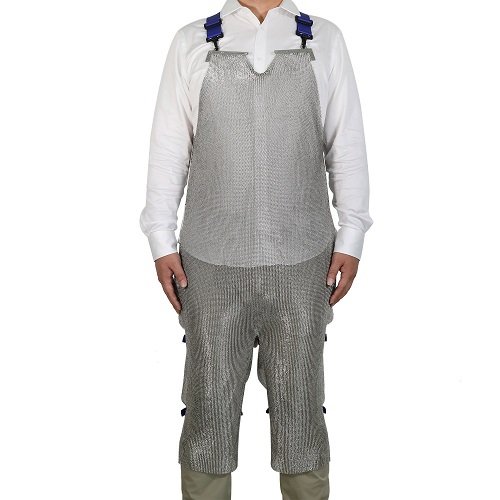
A Stainless Steel Chainmail Apron is a protective apron made from thousands of connected stainless steel rings.
The metal ring structure creates a flexible protective layer that helps reduce direct contact between sharp hand tools and the worker’s body.
The main characteristics include:
Stainless steel ring mesh construction
Flexible movement during operation
Easy cleaning surface
Long service life
Chainmail aprons are commonly used in food processing environments where workers handle knives and other sharp manual tools.
A Chainmail Butchers Apron is commonly applied in:
Meat processing plants
Butcher shops
Poultry processing
Seafood preparation
Food production facilities
It is suitable for environments where workers need additional protection while performing manual cutting tasks.
A Cut Resistant Apron is usually manufactured from high-performance textile materials, including:
HPPE fiber
Aramid fiber
Glass fiber blends
Composite protective fabrics
Unlike metal mesh aprons, textile aprons rely on fiber strength and layered structures to resist cutting forces.
Cut resistant textile aprons are often used in:
Food preparation
Light cutting operations
Packaging processes
General industrial applications
They are suitable for workplaces where lightweight protection and flexibility are important.
| Feature | Stainless Steel Chainmail Apron | Cut Resistant Apron |
|---|---|---|
| Main Material | Stainless steel rings | HPPE, aramid, composite fibers |
| Protection Method | Metal ring barrier | Fiber resistance |
| Durability | Long service life | Depends on fabric condition |
| Cleaning | Easy sanitation | Depends on material |
| Weight | Heavier | Lightweight |
| Flexibility | Flexible metal structure | Usually softer and lighter |
| Best Application | Meat cutting and food processing | General cut protection |
A Stainless Steel Chainmail Apron is often selected for applications involving frequent knife contact because the connected metal rings provide a strong protective barrier.
Advantages include:
Stable protection performance
Good resistance to repeated use
Suitable for professional meat processing
Better resistance to puncture compared with many textile alternatives
For tasks involving pointed knives or intensive cutting operations, chainmail aprons are commonly preferred.
A Cut Resistant Apron offers advantages when workers need:
Lower weight
Easier movement
Comfortable long-term wearing
Textile materials are suitable for applications where protection requirements are moderate and mobility is a priority.
Food processing industries have strict hygiene requirements.
Stainless steel chainmail aprons provide advantages such as:
Smooth metal surface
Easy washing
Resistance to moisture
Suitable for repeated sanitation
This makes them suitable for meat and seafood processing environments.
Textile aprons can also be cleaned, but maintenance depends on:
Fabric material
Washing method
Working environment
Repeated exposure to oil, moisture, and cleaning chemicals may affect some textile materials over time.
A Stainless Steel Chainmail Apron is designed for repeated professional use.
The stainless steel ring structure provides:
Strong wear resistance
Good corrosion resistance
Long-term reusable performance
With proper cleaning and maintenance, chainmail aprons can be used for extended periods in food processing environments.
The service life of a textile apron depends on:
Material quality
Washing frequency
Cutting conditions
Daily wear
Fabric damage, abrasion, or repeated washing may gradually affect performance.
For workers wearing protective equipment for many hours, weight is an important consideration.
Cut resistant textile aprons usually provide:
Lightweight design
Easy movement
Reduced wearing burden
Although stainless steel mesh is heavier than fabric, modern chainmail aprons often include:
Adjustable shoulder straps
Adjustable waist belts
Flexible ring structures
These designs improve wearing comfort during daily operations.
A Stainless Steel Chainmail Apron is recommended for:
Professional butchers
Meat cutting workers
Poultry processing workers
Seafood processing operators
Especially when workers frequently use sharp hand knives, chainmail provides a suitable protective solution.
A textile Cut Resistant Apron may be suitable when:
Lightweight protection is required
Cutting intensity is lower
Workers need maximum flexibility
The working environment does not require metal mesh protection
Before purchasing, buyers should evaluate:
Type of cutting tools
Cutting frequency
Food hygiene requirements
Working hours
For food processing applications, stainless steel is often selected because of its:
Cleanability
Corrosion resistance
Durability
Although a chainmail apron may require a higher initial investment, its reusable design can provide long-term value.
Companies should consider:
Replacement frequency
Maintenance requirements
Cleaning process
RETON Ring Mesh Co., Ltd. specializes in manufacturing Stainless Steel Chainmail Aprons and protective ring mesh products.
The company provides:
Chainmail Butchers Apron
Stainless Steel Mesh Apron
Chainmail Gloves
Customized ring mesh solutions
RETON focuses on:
Stainless steel ring mesh production
Customized sizes and designs
Food processing protection solutions
Export supply services
The products are designed for applications including:
Meat processing
Seafood handling
Food preparation
Website:
WhatsApp:
+86-18632192156
Email:
It depends on the application. A stainless steel chainmail apron is more suitable for professional cutting environments, while a textile cut resistant apron is better for lightweight protection needs.
Yes. Stainless steel chainmail aprons are widely used in food processing because they are easy to clean and suitable for repeated sanitation.
Compared with textile aprons, chainmail aprons are heavier. However, adjustable straps and ergonomic designs help improve wearing comfort.
No. The suitable apron depends on the working environment, tools used, and required protection level.
No. Stainless Steel Chainmail Aprons are not designed for chainsaw protection applications. They are mainly used for hand-tool cutting protection in industries such as meat processing and food preparation.
Both Stainless Steel Chainmail Apron and Cut Resistant Apron have their own advantages.
A Stainless Steel Chainmail Apron is a suitable choice for meat processing, seafood handling, and professional cutting environments where durable protection and easy cleaning are important.
A Cut Resistant Apron is more suitable for applications requiring lightweight protection and greater wearing flexibility.
For companies searching for a reliable Stainless Steel Chainmail Apron Manufacturer, RETON Ring Mesh Co., Ltd. provides customized stainless steel mesh protection solutions for global customers.
Website:
WhatsApp:
+86-18632192156
Email:
Stainless Steel Chainmail Apron | Chainmail Butchers Apron | Cut Resistant Apron | Stainless Steel Mesh Apron Manufacturer | Butcher Safety Apron | Food Processing Protective Equipment | Chainmail Apron Supplier China | Stainless Steel Ring Mesh | Meat Processing Safety Equipment
Processing Demand Survey