
RETON Ring Mesh Co., Ltd.A Professional, Reliable And Experienced Metal Products Manufacturer
+86-18632192156 sales@rt-ringmesh.com

When working with powerful tools like a table saw, safety is paramount. A table saw is one of the most dangerous power tools, with the potential to cause serious injuries if not handled properly. One of the best ways to protect yourself while working with a table saw is by wearing chainmail gloves. These gloves are designed to provide an extra layer of protection against sharp objects, cuts, and abrasions.
In this article, we’ll explore why chainmail gloves are a must-have safety accessory for working with a table saw, how they help prevent injuries, and the features to look for when selecting the right pair.
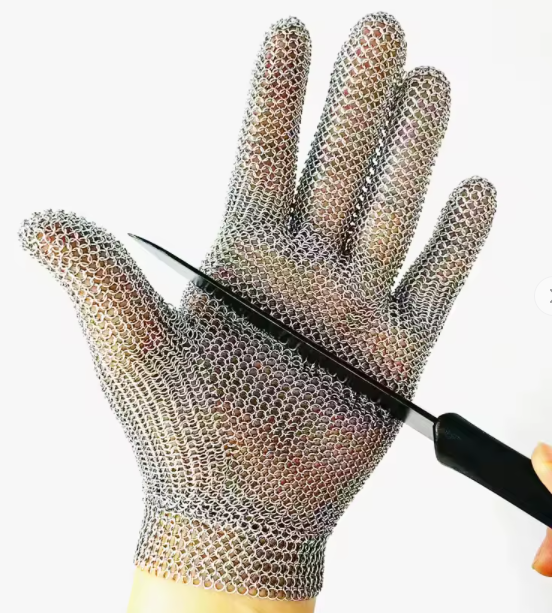
A table saw uses sharp rotating blades that can cause serious cuts and injuries if not handled properly. Chainmail gloves, made from interlocking metal rings, provide a strong and durable barrier against accidental contact with these blades. The tightly woven mesh ensures that the hand is protected from any accidental brush with the spinning blade or debris that may fly off the material being cut.
Unlike regular leather gloves or fabric gloves, chainmail gloves are made from stainless steel or high-carbon steel rings that offer exceptional durability. They’re designed to handle the tough conditions of industrial and woodworking environments, making them ideal for frequent use around power tools like table saws.
Even though a table saw’s blade may not always make direct contact with your skin, wood debris and sawdust can still cause irritation, abrasions, and cuts. Chainmail gloves provide a protective shield, reducing the risk of these injuries. The gloves also act as a buffer against other sharp objects in the workshop, such as nails, screws, and splinters from the wood.
Chainmail gloves are constructed from small metal rings that are interwoven in a specific pattern (often European 4-in-1 or Japanese 6-in-1). This mesh pattern distributes any pressure or force across a large surface area, ensuring that a single sharp object or blade does not puncture the glove easily.
European 4-in-1 pattern: Each ring passes through four others, creating a flexible and durable weave.
Japanese 6-in-1 pattern: More rings per unit of area, offering even stronger protection against penetration.
The metal mesh in chainmail gloves is incredibly strong and flexible, allowing workers to maintain dexterity and grip while still being protected. The rings can absorb the impact of sharp objects, preventing cuts and punctures that would be more likely with leather or fabric gloves.
Leather gloves are often used in woodworking and construction, but they do not offer the same level of cut resistance that chainmail gloves provide. Leather can wear down over time, especially when exposed to rough materials or sharp objects. While leather gloves can provide comfort and some level of protection, they are not ideal for high-risk tasks like operating a table saw.
Kevlar gloves are another popular option for cut resistance, but they are still not as protective as chainmail gloves. Kevlar is a synthetic material designed to be resistant to cuts and abrasion, but it doesn’t provide the same level of impact resistance as metal mesh. Additionally, Kevlar gloves can wear out faster than chainmail gloves and do not offer the same durability.
Fabric gloves are usually the least protective option for table saw work. Although they are comfortable and breathable, they provide minimal protection against sharp objects. Fabric gloves are more suited to light-duty tasks rather than high-risk activities like woodworking with a table saw.
When selecting chainmail gloves for use with a table saw, it’s important to choose the right features to maximize safety and comfort:
Most chainmail gloves are made from stainless steel, which is resistant to rust and corrosion, making them ideal for woodworking environments. Some gloves may be made from galvanized steel, which offers a similar level of protection but may be more prone to rusting over time.
Ensure that the gloves are designed to fit comfortably around your hand and wrist while providing maximum protection. Look for gloves with adjustable cuffs that can ensure a snug fit around the wrist to prevent any gaps that might expose the skin to the saw blade.
Some chainmail gloves cover just the fingers or the palm, while others extend to the forearm. For table saw work, it’s recommended to choose full-hand coverage to protect your entire hand and wrist. Some models even offer forearm protection, which can provide extra coverage when working with larger, more powerful saws.
Many chainmail gloves come with a fabric liner or a padded inner layer for comfort. This prevents the metal rings from causing irritation or discomfort against your skin during prolonged use. Liners also help with moisture absorption, making the gloves more comfortable to wear for extended periods.
Look for gloves that are designed to withstand heavy-duty use. A good pair of chainmail gloves should be easy to maintain—simply washable and resistant to rust and corrosion. Make sure the rings are securely closed to prevent them from coming apart during use.
Before using your chainmail gloves with a table saw, ensure they fit snugly without being too tight or too loose. A good fit will allow you to maintain dexterity and grip while preventing the glove from catching on the saw blade or other equipment.
Even with chainmail gloves, always adhere to proper table saw safety protocols, including:
Keep hands at least 6 inches away from the blade.
Use a push stick or push block to guide the material through the saw.
Ensure the blade guard and other safety features are in place and working.
Wear additional eye and ear protection for added safety.
Regularly inspect your chainmail gloves for any signs of wear, such as broken rings or loose threads. If the gloves are damaged, replace them immediately to ensure continued protection.
Even the best chainmail gloves will eventually need to be replaced due to wear and tear. Replace your gloves if:
You notice loose rings that compromise their protection.
The gloves become too worn down to provide full coverage.
The gloves start to feel uncomfortable or lose their snug fit.
Chainmail gloves offer superior protection against cuts, abrasions, and lacerations when working with dangerous tools like a table saw. They provide a level of safety that fabric, leather, and even Kevlar gloves cannot match, especially when dealing with sharp spinning blades.
By wearing chainmail gloves during woodworking tasks, you can focus on your work without constantly worrying about potential injuries. Make sure to choose gloves made from high-quality materials and designed for comfort and durability.
For more information or to purchase high-quality chainmail gloves for your workshop, consider reaching out to RETON Ring Mesh Co., Ltd., a leading manufacturer of chainmail safety products. You can contact them at sales@rt-ringmesh.com or on WhatsApp at +8618632192156 for more details.
Stay safe, and happy woodworking!
Processing Demand Survey