
RETON Ring Mesh Co., Ltd.A Professional, Reliable And Experienced Metal Products Manufacturer
+86-18632192156 sales@rt-ringmesh.com

In today's industrial and specialized work environments, hand protection is not just a precaution—it's a necessity. Among the most critical protective gear are mesh gloves, a category of safety equipment designed to offer unparalleled protection against cuts, lacerations, and punctures while maintaining dexterity and comfort. Also commonly known as chainmail gloves, cut resistant gloves, or metal mesh gloves, these specialized tools have evolved from medieval armor to modern industrial essentials.
Manufactured by industry leaders like RETON Ring Mesh Co., Ltd., contemporary mesh gloves combine traditional craftsmanship with advanced materials science. Whether you're in food processing, metal fabrication, automotive manufacturing, or glass handling, understanding the proper selection, use, and maintenance of mesh gloves can significantly reduce workplace injuries and improve operational efficiency.
This comprehensive guide explores everything from the basic construction of mesh gloves to their diverse applications, technical specifications, and the latest innovations in hand protection technology.
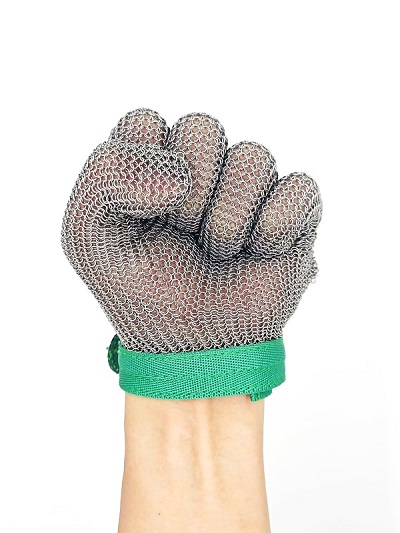
At their core, mesh gloves consist of thousands of interconnected metal rings forming a protective barrier. Unlike medieval chainmail, modern industrial versions are engineered with specific considerations for weight, flexibility, and protection level.
Key Components:
Rings: Typically made from stainless steel, titanium, or specialized alloys
Connections: Riveted, welded, or butted rings depending on the protection level required
Lining: Inner linings made from leather, cotton, or synthetic materials for comfort
Cuff: Extended protection areas that safeguard the wrist and lower forearm
Coating: Sometimes applied to improve grip or corrosion resistance
Recent advancements have expanded beyond traditional steel mesh:
| Material | Advantages | Common Applications |
|---|---|---|
| Stainless Steel | Excellent cut resistance, corrosion resistant, durable | Food processing, metal handling, glass manufacturing |
| Titanium Alloy | Higher strength-to-weight ratio, hypoallergenic | Aerospace, medical device manufacturing |
| Polymer-Coated Mesh | Improved grip, chemical resistance, reduced metal transfer | Electronics assembly, cleanroom environments |
| Composite Materials | Combination of metal and synthetic fibers for balanced protection | Automotive, general manufacturing |
In the food industry, food processing gloves and specifically butcher gloves are essential for worker safety. Modern chainmail gloves for butchers are designed with food-grade stainless steel that resists corrosion from blood, fats, and cleaning chemicals. These gloves protect against deep cuts from knives and bone fragments while allowing the dexterity needed for precision cutting tasks.
Key Features for Food Industry:
FDA-compliant materials
Easy to clean and sterilize
Anti-microbial treatments
Comfort designs for extended wear
Metal mesh gloves are indispensable in sheet metal handling, stamping operations, and machining environments. The safety mesh glove in these settings prevents severe injuries from sharp edges, metal burrs, and machining tools.
Industrial Applications Include:
Automotive manufacturing
Appliance production
Aerospace component handling
Construction metalwork
From glass manufacturing to recycling operations, mesh safety gloves provide crucial protection against deep lacerations. Specialized designs include extended cuffs for forearm protection and textured palms for secure grip on slippery surfaces.
Surgical and Medical: Specialized titanium mesh gloves for high-risk surgical procedures
Electronics Manufacturing: Anti-static variants for handling sharp components
Law Enforcement: Concealable cut-resistant gloves for officer safety
Mesh gloves are rated according to international standards that measure their resistance to cuts, punctures, and abrasions:
EN 388:2016 Standard for Glove Protection (Relevant Metrics)
| Protection Level | Performance Criteria | Typical Mesh Glove Rating |
|---|---|---|
| Cut Resistance (A-F) | Based on ISO 13997 test method | Level D-F for quality mesh gloves |
| Puncture Resistance (1-4) | Newton force required to penetrate | Level 3-4 for metal mesh gloves |
| Abrasion Resistance (1-4) | Cycles to wear through material | Level 4 for most metal mesh |
| Tear Resistance (1-4) | Newton force required to tear | Level 3-4 for riveted mesh |
| Product Series | Material | Ring Diameter | Ring Connection | Weight (per pair) | Protection Level | Best For |
|---|---|---|---|---|---|---|
| RG-300 Series | 304 Stainless Steel | 6mm | Riveted | 450g | EN388 Level D | General manufacturing |
| RG-500 Series | 316L Stainless Steel | 5mm | Welded | 380g | EN388 Level E | Food processing |
| RG-700 Series | Titanium Alloy | 4mm | Riveted & Welded | 320g | EN388 Level F | High-risk cutting |
| RG-900 Series | Composite Mesh | Variable | Hybrid Construction | 280g | EN388 Level D | Extended wear tasks |
Risk Assessment:
Identify specific hazards (type of blades, sharpness, force involved)
Consider secondary risks (chemical exposure, temperature extremes)
Evaluate frequency and duration of exposure
Task Requirements:
Dexterity needs for precision tasks
Grip requirements for handling tools or materials
Duration of continuous wear
Environmental Considerations:
Presence of liquids, oils, or chemicals
Temperature extremes (hot or cold environments)
Cleanliness requirements (food grade, sterile environments)
Ergonomic Factors:
Proper sizing for individual hand dimensions
Weight considerations for extended use
Wrist support and comfort features
Proper fit is crucial for both protection and comfort. Most manufacturers, including RETON Ring Mesh, provide detailed sizing charts:
Measurement Guidelines:
Measure around the dominant hand's palm (excluding thumb)
Measure from base of palm to tip of middle finger
Compare measurements to manufacturer's sizing chart
Consider whether gloves will be worn over or under other gloves
Proper maintenance extends the usable life of mesh gloves and ensures consistent protection:
For Food Processing Environments:
Rinse immediately after use to remove organic material
Wash with mild detergent and warm water
Sanitize with food-grade disinfectant
Air dry completely before storage
Regular inspection for damaged rings or compromised areas
For Industrial Applications:
Remove surface contaminants with brush or compressed air
Wash with appropriate industrial cleaners
Inspect for metal fatigue, broken rings, or stretched connections
Apply protective coatings if recommended by manufacturer
| Inspection Frequency | What to Check | Action Required |
|---|---|---|
| Before Each Use | Obvious damage, broken rings, loose connections | Do not use if damage detected |
| Weekly | Overall integrity, ring connections, lining condition | Document wear patterns |
| Monthly | Detailed inspection of high-stress areas | Consider professional assessment |
| Annually | Complete assessment against original specifications | Determine replacement needs |
Typical Lifespan: Quality mesh gloves from reputable manufacturers like RETON typically last 1-3 years with proper care, depending on usage intensity.
Recent innovations have addressed traditional limitations of metal mesh gloves:
Lightweight Alloys: New titanium and aluminum alloys offer the same protection as steel at 40-50% reduced weight, decreasing hand fatigue during extended wear.
Hybrid Designs: Combining metal rings with advanced synthetic fibers like Dyneema® or Kevlar® creates gloves with cut resistance approaching pure metal mesh but with significantly improved flexibility and comfort.
Smart Integration: Experimental designs incorporating sensor technology to monitor impact forces, environmental conditions, or even vital signs of the wearer.
Anatomic Pre-forming: Gloves shaped to match natural hand posture
Ventilation Channels: Strategic openings for improved airflow
Moisture Management: Advanced linings that wick sweat away from skin
Reduced Bulk: Refined ring patterns that maintain protection while minimizing bulk in critical bending areas
With years of specialization in protective mesh products, RETON Ring Mesh Co., Ltd. has established itself as a leader in safety glove manufacturing. The company's expertise spans material science, ergonomic design, and application-specific engineering.
Manufacturing Advantages:
State-of-the-art ring forming and connecting technology
Rigorous quality control at each production stage
Custom design capabilities for specialized applications
Compliance with international safety standards (EN, ANSI, ISO)
Customization Services:
RETON offers tailored solutions for unique industrial requirements:
Specialized sizing for non-standard hand dimensions
Modified cuff lengths for extended forearm protection
Material adaptations for extreme environments
Branding and identification markings
Q: How do mesh gloves actually protect against cuts?
A: Mesh gloves work by distributing the force of a cutting action across multiple rings. When a blade contacts the glove, it must deform or break through the metal rings rather than cleanly slicing through. The interconnected rings spread the impact force, preventing the blade from reaching the skin with full cutting force.
Q: Can mesh gloves protect against all types of cuts?
A: While highly effective against slicing motions and laceration hazards, no glove provides 100% protection against all cutting actions. Extremely high-force cutting, puncturing with needle-like objects, or specialized industrial blades may overcome even high-quality mesh gloves. Always conduct a thorough risk assessment for your specific application.
Q: Are mesh gloves uncomfortable to wear for long periods?
A: Modern designs have significantly improved comfort through better ergonomics, lighter materials, and advanced linings. While heavier than standard work gloves, quality mesh gloves from manufacturers like RETON are engineered for extended wear with features like articulated finger designs, padded palms, and moisture-wicking liners.
Q: How do I know when to replace my mesh gloves?
A: Replace gloves immediately if you notice: broken or missing rings, stretched connections that create gaps larger than the original design, corrosion that has weakened the metal, or damage to the inner lining that exposes skin to metal contact. Even without visible damage, follow manufacturer recommendations for maximum service life.
Q: Can mesh gloves be used with other types of PPE?
A: Yes, mesh gloves are often worn over or under other protective equipment. In extreme cold, they might be worn over insulated liners. In wet conditions, waterproof outer gloves might be worn over mesh gloves. Always ensure the combination doesn't compromise dexterity or the protective qualities of either item.
Q: Are there different mesh patterns for different applications?
A: Absolutely. Common patterns include 4-in-1 (standard European pattern), 6-in-1 (Japanese pattern), and specialized weaves for flexibility or maximum density. RETON engineers can recommend the optimal pattern based on your specific cutting hazards and dexterity requirements.
The effectiveness of a mesh glove in preventing injuries depends on complex interactions between the blade and the protective material:
Energy Dissipation Mechanism: When a blade contacts the mesh, kinetic energy is transferred through multiple pathways—deforming rings, friction between blade and metal, and displacement of the entire mesh structure. Quality gloves maximize energy dissipation before the blade can penetrate to the skin.
Edge Blunting Effect: Many cutting incidents involve repeated contact with the same tool. High-quality mesh gloves actually blunt knife edges over time through metal-on-metal interaction, progressively reducing cutting efficiency.
Ring Connection Technology: The method of connecting rings significantly impacts performance. Riveted connections (where rings are physically joined with a small metal pin) generally offer superior strength compared to butted (simply closed) rings. Welded connections provide a balance of strength and flexibility.
Beyond material properties, effective glove design must consider human factors:
Grip Mechanics: Studies show that bulky gloves can increase grip force requirements by up to 30%, accelerating hand fatigue. Advanced mesh gloves minimize bulk in critical grip areas while maintaining protection on the dorsal side.
Thermal Management: Metal conducts heat efficiently, which can be problematic in extreme temperatures. Innovative designs incorporate thermal barriers in the lining while maintaining cut resistance on the exterior.
Sensory Feedback: Some applications require tactile sensitivity. Thinner rings and specialized patterns in fingertip areas preserve more tactile feedback while still providing protection.
The evolution of mesh gloves from simple chainmail to sophisticated protective systems demonstrates how traditional concepts can be transformed through modern technology and materials science. As workplace safety standards continue to rise and new industrial processes emerge, the demand for specialized hand protection will only increase.
Companies like RETON Ring Mesh Co., Ltd. are at the forefront of this evolution, combining manufacturing excellence with innovative design approaches. Whether you're sourcing cut resistant gloves for a food processing plant, safety mesh gloves for a metal fabrication shop, or specialized chainmail gloves for unique applications, understanding the technology behind these products ensures you select the optimal protection for your needs.
Remember that the most expensive injury is the one that could have been prevented. Investing in quality mesh gloves isn't just a compliance issue—it's a commitment to workforce safety, productivity, and operational excellence.
Contact RETON Ring Mesh Co., Ltd. for Your Protective Glove Needs:
Company: RETON Ring Mesh Co., Ltd.
E-Mail: sales@rt-ringmesh.com
WhatsApp: +8618632192156
Product Range: Comprehensive selection of mesh gloves, aprons, sleeves, and custom protective solutions
Service: Technical consultation, custom design, volume manufacturing, global shipping
Whether you're looking for standard mesh safety gloves or need a custom-engineered solution for unique workplace hazards, RETON's expertise in protective metal mesh products ensures you receive optimal protection tailored to your specific requirements. Contact their technical team today for a comprehensive assessment of your hand protection needs.
Processing Demand Survey